




Home › blog › 2026 › October › 27th › robots changed the cleaning job who rewrote it
Robots changed the cleaning job. Who rewrote it?
27th of October 2026 Article by Sylvain Rottier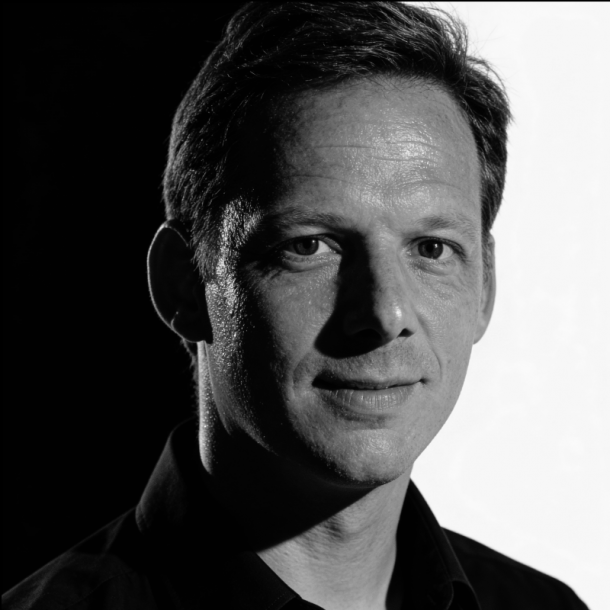
Autonomous machines and AI planning tools are arriving across facility services. The hardest part of the change is not the technology but the judgement of the people who now supervise it.
Walk into a large site that has introduced autonomous scrubbers and the machine usually does what it was specified to do. The real question is what happens to the people around it.
The operator who used to drive a scrubber now plans routes, checks coverage reports, clears errors and decides when to step in. The supervisor who used to check floors now reads dashboards, approves schedules generated by software and answers to a client who sees the same data. The work did not disappear. It moved from hands to judgement. In most organisations, nobody rewrote the job.
That matters because judgement is under pressure everywhere, not only in cleaning. Gloria Mark at UC Irvine has measured how long people stay on one screen before switching: two and a half minutes in 2004, 47 seconds today. Knowledge workers switch between applications around 1,200 times a day (Harvard Business Review, 2022). Attention was already thin before AI arrived.
Automation adds a second effect. Researchers have documented automation bias since the 1990s: once a system has given an answer, people stop looking for what it missed. Experts do it too, and warning them does not help (Parasuraman and Manzey, Human Factors, 2010). A recent randomised study shows the cost of leaning on assistance: students using an AI tutor did 48 per cent better while they had it, and 17 per cent worse than those who never had it once it was taken away (Bastani et al., PNAS, 2025). The weaker the skill becomes, the more necessary the tool feels.
On a cleaning contract this looks very ordinary. A coverage map shows green, so nobody walks the corner that is always missed. An error code is cleared because it usually means nothing. A schedule generated by software is approved because questioning it takes time nobody has. Each decision is small. Together they decide whether the contract is renewed.
The good news is in the same research. In the PNAS study, a version of the tool designed not to do the thinking for the user nearly removed the harm. The problem is not the technology. It is how the work around it is designed.
For contractors and facility managers, that points to four practical steps.
First, rewrite the supervisor's role before the machines arrive, not after. Decide which checks the person still owns, which exceptions they must look at themselves and what good looks like when the machine reports success.
Second, measure the human side of the deployment. Uptime and square metres cleaned tell you how the machine performs. They do not tell you whether anyone is still looking.
Third, protect attention. Every alert, dashboard and notification competes for the same scarce resource. Fewer, better signals beat more data.
Fourth, train the behaviours that keep judgement active: framing the question before reading the report, controlling where attention goes, and building the understanding that lets someone spot what the system cannot. These can be trained like any other skill on site.
The cleaning industry has always been quick to adopt new equipment. The next step is to be just as deliberate about the people who work with it. When we mechanised physical work, we did not stop caring about people's bodies; we brought in ergonomics, safety rules and training. Now that we are automating part of the thinking, judgement deserves the same care.
• Sylvain Rottier is a psychologist and economist. Until early 2026 he was managing director (VP & general manager) of Tennant EMEA. He is the founder of MindMarqs and the Cognitive Readiness Institute in Zürich.




 RSS