




Home › magazine › february march 2026 › latest news › Welcome everybody

Welcome everybody
6th of March 2026
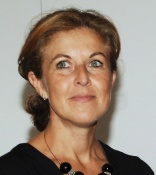
Lucy Lloyd, chief services officer at UK-based Kingdom Cleaning, discusses the importance of diversity and inclusion in the industry and how to create a more welcoming environment for all.
With the cleaning industry being one of the largest employers in Europe, the importance of diversity and inclusion in cannot be overstated. As well as this, the outlook for the industry is undoubtedly positive - with a great deal of growth potential due to increased demand for specialised cleaning, for example deep cleaning for healthcare environments and sustainable cleaning services.
In any industry, but especially one that is growing every day, inclusion is important. Treating a person with respect and valuing them - regardless of differences - helps foster positive outcomes and wellbeing. Inclusion is about finding a way to focus on individual needs, such as accessibility requirements, to ensure someone can work within the industry comfortably and is supported to achieve their full potential. It must be reflected in all areas of organisational culture, processes, procedure, management – all of which support workplace diversity.
Currently, the workforce of cleaning companies is characterised - as reflected in the EFCI’s latest Trend Report - as a high ratio of part-time colleagues, high ratio of women and high proportion of employees with migration backgrounds, especially in the past 20 years. The cleaning sector must support and champion its diversity, which will only help to propel the it into the future.
A diverse workforce offers several benefits to staff, businesses and the industry as a whole. As well as the range of views brought by hiring people from different walks of life - including women, minorities and people with both visible and invisible disabilities and neurodiversity - it can often bring fresh perspectives that are needed for a company to grow and flourish. There will also be a stronger sense of community when companies have strong diversity and inclusion policies, and show they care about their staff.
So how can the cleaning industry help create change?
A huge aspect that many in the cleaning industry can improve on is social value. First and foremost, it is a people-focused sector. Showing care for the health of people and places is a key part of what every cleaning business should encompass. And when a company demonstrates care and compassion - expecting nothing in return - it proves they are a safe workplace for anyone and everyone.
Creating change
Some examples could be:
• Helping new starters with literacy and providing opportunities for people to have a job in the industry if they can’t read or write in English.
• Ensuring there is a clear pathway for workers who have physical differences, which may include mobility and movement limitations, visual impairment, neurodiversity or difficulty hearing.
• Supporting people who were previously homeless, or care givers or people who have had long periods of unemployment can also improve social value and inclusion, as well as positively impacting the economy and society.
As well as this, embracing the diversity of the sector with a clear sign of organisational pride would help improve diversity and inclusion. At Kingdom Cleaning for example, if team members would like to, they can include their nationality on their name badges - a simple idea that ensures people feel recognised for who they are.
While the demand will only grow, the cleaning industry is also suffering from a severe labour shortage, particularly with younger workers. Research from the British Cleaning Council (BCC) shows the percentage of cleaning staff under the age of 25 is significantly lower than in other sectors across the UK, while there is a much higher percentage of people over 55. While the discrepancies can be down to several factors, many may see parts of the industry as having less career opportunity and workplace wellbeing.
Therefore, new efforts are very much needed to recruit the future generation of cleaning colleagues.
Younger generation
Many cleaning companies need to highlight the substantial skills and knowledge requirements that exist in the industry. High quality cleaning requires knowledge of chemicals, potentially technology and smart solutions, as well as strong communication skills and organisational skills. Cleaning operatives at any level may need to interact with and engage with technology, however it also remains a highly manual job requiring some level of physical ability.
To include and attract the younger generation, to ensure the cleaning industry can thrive in the future, it’s important to emphasise long-term career opportunities. Naturally, when you are younger, you often decide on a job with a long-term mindset. To make the industry more accessible and attractive to younger workers, businesses can:
• Provide access to certifications and education, both in terms of cleaning courses and language courses.
• Offer fair wages that reflect skill and dedication.
• Acquire the newest cleaning technology and adopt software management systems to position your company as modern and innovative.
Ultimately, diversity is something to be celebrated in the growing cleaning industry, and all business should be taking inclusion seriously. The industry can and will adapt to the demands of the future, and creating a welcoming and hospitable environment for all should not fall by the wayside.




 RSS
RSS