



Home › magazine › product features › Why Cleaning Robots Need One Operational Platform and How It Works Technically

Why Cleaning Robots Need One Operational Platform - and How It Works Technically
3rd of February 2026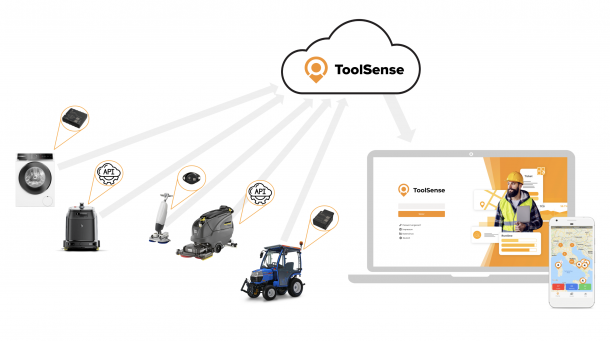
Sponsored Content
Cleaning robots have moved well beyond pilot projects. Across Europe, they are now part of daily operations in hospitals, airports, logistics centres, and large multi-site cleaning contracts. Navigation, autonomy, and cleaning performance have improved rapidly. From a hardware perspective, the technology is ready.
What increasingly determines success, however, is not the robot itself, but how robotics operations are managed.
The operational reality behind robotics
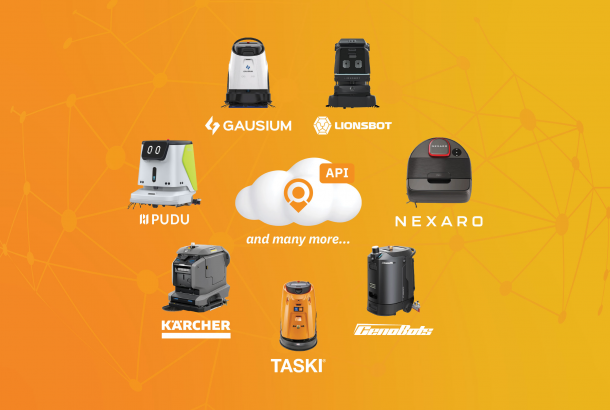
Most facility services companies operate mixed robotics fleets. Different sites use different robot models, often from different manufacturers, introduced gradually over time. This reflects operational reality and commercial flexibility.
The challenge is that each robotics supplier brings its own software platform. Separate dashboards, different alerting logic, different error codes, and different reporting structures. As fleets grow, operations teams are forced to juggle multiple portals alongside phone calls, emails, and WhatsApp messages to coordinate issues.
This fragmentation creates structural problems. There is no single operational overview. Incident handling becomes slow and inconsistent. Valuable telemetry data remains locked inside brand-specific systems and is rarely used to improve operations.
The result is predictable. Downtime increases, coordination effort grows, and robots risk being perceived as unreliable rather than as productivity drivers.
Robotics ROI is an operations issue
Robotics ROI is often discussed in terms of hardware cost, autonomy, or cleaning performance. In practice, ROI is largely an operations issue.
A robot that stands idle for weeks due to unclear escalation paths, missing context, or slow response destroys value, regardless of its technical capabilities. Conversely, robots that are monitored consistently, maintained proactively, and embedded into daily workflows deliver stable productivity.
This shifts the focus from individual robots to the operational system around them.
One operational platform for all robots
The emerging best practice is to manage robots per operation, not per brand.
This requires a platform that sits above individual robot systems and focuses on operations rather than hardware specifics. Such a platform does not replace manufacturer software. It connects to it and standardises how robots are monitored, how issues are handled, and how performance is evaluated.
From an operational perspective, all robots should follow the same logic: report status, surface issues, trigger workflows, and feed consistent reporting, regardless of brand or model.
How this works technically
Modern cleaning robots expose a wide range of operational data via APIs. A central platform such as ToolSense connects to these APIs and normalises the data into a common operational model.
Typical data points include location, last known position, runtime, mission duration, idle times, utilisation rates, error codes, battery status, charging cycles, and increasingly also water and detergent consumption.
Data is pulled at regular intervals or streamed in near real time, depending on the robot system. Vendor-specific formats and terminologies are translated into standardised fields. This allows robots from different manufacturers to be viewed, analysed, and compared within the same operational framework.
On top of the raw data, operational logic is applied. Error codes are grouped into meaningful categories. Runtime and idle patterns are analysed to detect underutilisation. Battery and charging data highlights misuse or early signs of failure. Consumption data makes inefficiencies visible.
Turning telemetry into action
Data alone does not solve operational problems. The critical layer is what happens after an issue occurs.
In a unified platform, robotics data is directly connected to operational workflows. When a robot reports an error, a structured incident is created automatically. It includes asset identity, location, recent usage, and historical context. Responsibilities are defined, escalation paths are clear, and resolution is tracked.
This replaces informal communication with structured processes. Over time, recurring issues become visible across sites and fleets, enabling preventive action rather than constant firefighting.
Robotics as part of asset operations
Robots do not operate in isolation. They are part of a broader equipment landscape that includes floorcare machines, tools, and vehicles. Managing robots in separate systems creates artificial silos in operations.
Platforms such as ToolSense position robotics management as part of a unified asset operations approach. Robotics data from APIs and IoT sources is combined with digital workflows for maintenance, inspections, and incident handling. From an operational perspective, robots are managed with the same discipline as any other critical asset.
The next maturity step for cleaning robotics
Cleaning robots are here to stay. The next phase of differentiation in the European cleaning industry will not come from deploying more robots, but from operating them better.
Facility services companies that adopt a unified operational platform gain transparency, reduce downtime, and scale robotics with control. Those that continue to manage robots through fragmented tools risk turning advanced automation into operational complexity.
Robotics does not only need intelligence on the machine. It needs an operating system above it.





 RSS
RSS