



Home › magazine › october 2026 › latest news › Air freshening creating a lift

Air freshening - creating a lift
17th of November 2026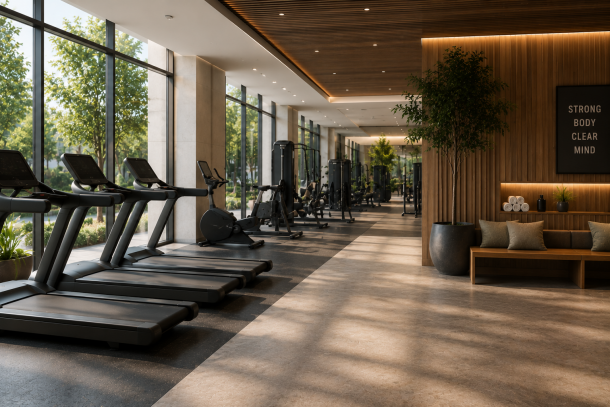
Besides masking bad smells, air fresheners can also be used to raise the profile of a venue, enhance its ambience and lift people’s moods. Ann Laffeaty asks companies about the less quantifiable benefits of an air freshener system.
THE TRADITIONAL USE of an air freshener is to mask bad smells. This is particularly true of public washrooms, care homes and any environment where a malodour could have a negative impact on the visitor’s experience.
But client expectations are evolving, says P-Wave brand manager Mark Wintle. “Today’s customers expect air care systems to enhance the user experience while also being cost-effective, sustainable and easy to maintain,” he said. “As a result, many organisations are using fragrances to reinforce brand standards, create a positive first impression and improve customer satisfaction.”
A pleasant fragrance can enhance the visitor’s experience in almost any shared environment, according to Wintle. “It can be highly influential in offices, gyms, hotels, healthcare facilities and retail spaces, for example,” he said.
“Scents such as fresh citrus, clean linen and light fruity fragrances are often chosen to create an energising and uplifting environment.”
A consistent and subtle fragrance is generally more effective than intermittent bursts, according to Wintle. “This helps to maintain a pleasant environment without overwhelming users,” he said. “It is also important to consider the delivery method and chemical composition because some sprays contain higher levels of VOCs which can irritate the airways.”
While aerosols and liquid systems are still being widely used, many facilities managers are adopting dry fragrance technology as part of a cleaner and more sustainable approach, he claims.
“Dry fragrance systems eliminate the risk of leaks, spills and sticky residues that can lead to additional cleaning or even create a slip hazard,” he said. “They also avoid atomising liquids into the air and are generally lower in volatile organic compounds while also being free from the solvents commonly found in some aerosol formulations such as acetone. The result is effective odour control delivered through a cleaner, lower-maintenance solution.”
P-Wave air fresheners deliver a continuous fragrance without aerosols or atomisation. The company’s Eco Air, Ourfresh 2.0 and Easy Fresh products have recyclable refills and are said to be widely used in healthcare settings.
The strategy of introducing a pleasant fragrance to mask an existing bad smell is a short-sighted one, according to 2Pure products director James Law.
“Fundamentally, the source of the malodour will still be there,” he said. “In environments such as washrooms, care homes, changing facilities and waste areas the more persistent odours may
be caused by organic compounds that conventional fragrance products simply cover up. And in some cases, adding fragrance on top of a strong malodour can actually create an even more unpleasant combination.”
Changing expectations
He believes customer expectations around air care have changed considerably. “Customers increasingly expect solutions that deal effectively with the underlying problem and give them much greater control over the quality of the environment they are creating,” he said. “Businesses are recognising that the way a space smells can influence how people perceive that environment.”
He believes fragrance can contribute to the overall ambience of a venue and reinforce a sense of cleanliness and quality while also creating a more welcoming first impression. “In premium environments the fragrance becomes part of the identity of the space in much the same way as lighting, music or interior design,” he said.
“There is also a growing appreciation of the relationship between fragrance and mood. The right scent can make an environment feel fresher, calmer, warmer or more energising depending on what the customer wants to achieve. And in a care scenario, scents have even been shown to evoke memories in residents.”
Tackling unwanted odours
The right scent can enhance customer perception in any environment where first impressions are important, according to Law. “Hotels, spas and leisure facilities are obvious examples because ambience is a key part of the experience,” he said. “Fragrance can also help to make a retail environment feel more inviting and distinctive. And gyms and changing facilities can benefit both from effective odour control and a fresher overall atmosphere, while offices and reception areas use fragrance to create a more welcoming and professional environment for employees and visitors.”
Tackling unwanted odours in care homes and healthcare environments is also vitally important, he adds. “If you can control those odours effectively, a carefully chosen fragrance can make the space feel less clinical and more comfortable and homely,” he said.
The choice of scent should always reflect the type of atmosphere a venue wants to achieve, he adds. “For example, green and fruity fragrances can work well where the aim is to make a space
feel fresh, modern and lively, while floral notes can introduce a softer, more welcoming character.
“At the other end of the spectrum, warmer fragrances containing vanilla, amber, woods or musk can make a hotel, spa or premium retail environments feel more comfortable, luxurious and relaxing.”
The delivery system has a major influence on how a fragrance works, according to Law. “Traditional aerosol systems tend to create peaks and troughs, providing a relatively intense burst of fragrance immediately after spraying followed by a gradual decline until the next spray,” he said. “This can make the fragrance feel intrusive at one moment and almost absent the next.”
The company’s OdorBac Air uses fine diffusion to create a consistent, subtle presence throughout the space. “Ideally, the fragrance should sit naturally in the background and contribute to the overall atmosphere,” said Law.
Air care has evolved beyond simply adding fragrance to a space, agrees Vectair’s UK sales director Adam Howard. “Today’s customers are looking beyond fragrance alone and are considering factors such as consistent performance, effective malodour control, ease of maintenance, sustainability and the overall experience a system creates,” he said. “This has pushed air care from being viewed as a functional product to a more considered part of facility management and the user experience.”
Fragrance can play an important role in how people perceive and remember a space, he says. “Whether it is creating a welcoming first impression, complementing the atmosphere of a hotel or spa or reinforcing the overall experience of a retail or leisure environment, the right air care strategy can become part of how a venue presents itself,” he said.
Enhance the experience
Hotels, spas, shopping centres, offices, gyms, restaurants, cafés, airports, leisure facilities and showrooms are just a few examples of venues where a fragrance can enhance the experience, he says. “Even in more functional environments such as washrooms and healthcare facilities, a thoughtfully selected air care system can help to improve the ambience,” he adds.
“Bright citrus notes such as lemon, orange and bergamot are often associated with fresh, vibrant spaces while mint, eucalyptus and lighter floral profiles can create a clean and refreshing impression. Ultimately, fragrance should be selected with the environment, audience and desired experience in mind rather than taking a one-size-fits-all approach.”
He agrees with other commentators that the type of delivery system makes a significant difference to the fragrance experience. “Consistent, controlled fragrance delivery can help to maintain a more balanced scent level throughout the day rather than creating noticeable peaks and drops in intensity,” he said. “The goal should be for fragrance to complement the environment rather than dominate it, which is why technologies that allow greater control over fragrance output can be particularly valuable.”
Vectair’s Vibe Pro provides programmable fragrance delivery with adjustable intensity and fragrance cycles of up to 90 days. For passive air care, V-Air Solid Evolution delivers up to 60 days’ of fragrance without batteries or aerosol propellants. And the SensaMist range uses advanced scent diffusion technology to provide consistent fragrance across larger environments.
Smells can have a significant impact on how people perceive a space, says Essity’s global communications manager Jenny Turner. “Simply masking unwanted odours is no longer enough today - organisations are increasingly looking for solutions that address the source of odours while supporting a comfortable environment for all users,” she said.
She adds that any air care strategy should take into account the needs of users who may be sensitive to fragrances. “In healthcare and care settings, for example, it is often important to minimise exposure to added fragrances and aerosol products because these can trigger asthma, allergies and sensitivities among patients, residents and staff,” she said.
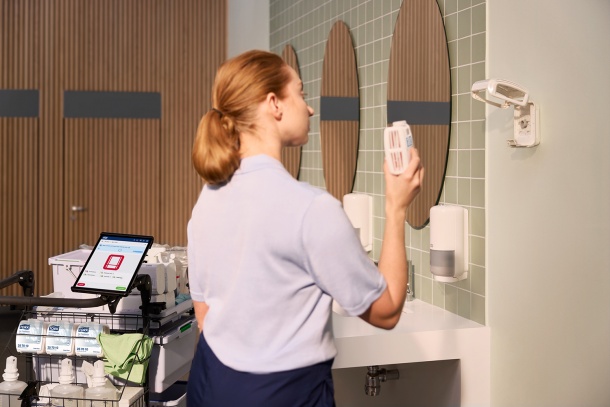
Expectations have evolved from basic odour management to creating a positive and welcoming environment, she adds. “Facility managers are under increasing pressure to deliver high standards of hygiene and user satisfaction while managing costs, labour shortages and sustainability goals,” said Turner. “As a result they need air care systems that are intuitive, efficient and quick to maintain, helping to reduce time spent on routine servicing.”
The Tork Constant Air Freshener System is designed to provide continuous fragrance delivery and odour neutralisation. The propellant-free system comes in a 100 per cent recyclable cartridge.
Reinforce brand image
Some organisations use fragrance to reinforce their brand image, says Turner. “They also use it to create a welcoming atmosphere and help visitors feel comfortable and relaxed,” she said. “A pleasant sensory experience can influence how people perceive a venue’s cleanliness, quality and professionalism. For businesses, this means air care can contribute to positive perceptions, encourage longer visits and support customer satisfaction.”
The choice of scent should reflect the environment and desired experience, she said. “Importantly, the objective should not be to overwhelm visitors with fragrance because the most effective scents are often those that subtly support the desired atmosphere while remaining comfortable for a wide range of users,” said Turner.
So, how can air care companies deliver on customer’s requirements? They need to take a holistic approach, says Turner. “This means combining effective odour control with carefully selected fragrance options, a consistent fragrance delivery, easy maintenance for cleaning teams and solutions that support user comfort,” she said.
“It is also important to recognise that fragrance should complement overall washroom quality rather than compensate for poor hygiene. Cleanliness, maintenance and air care should work together to create a positive experience.”
The starting point is to stop considering air care as a one-size-fits-all product, says 2Pure’s James Law. “Customers should begin treating it as part of the overall environment a customer is trying to create,” he said.
And Vectair’s Adam Howard says companies need to combine a thoughtful fragrance selection with the right delivery technology. “Air care providers should consider the environment, its size and airflow, how the space is used, the desired fragrance experience and the needs of the people within it,” he said. “This. allows air care to become a more intentional part of the overall environment.”





 RSS